Chapter News

Chapter Communications Blog

Why AI Needs Project Managers (Now More Than Ever)

Gianmarco Sirei

Author: Gianmarco Sirei, PMP

Introduction

Artificial Intelligence is advancing at an extraordinary pace. Capabilities are improving, benchmarks are rising, and adoption is accelerating across industries.

Yet a critical gap remains.

AI systems in real-world use are not stable, predictable, or self-governing. Strong technical performance does not automatically translate into reliable outcomes, controlled risk, or sustainable systems.

As AI becomes embedded in business processes, the challenge is no longer just building models. It is managing them.

This is why project management is becoming more essential in the age of AI.

From Capability to Control

Much of the current conversation around AI focuses on what models can do. And there is no doubt that progress has been remarkable. In areas such as reasoning, coding, and multi-domain understanding, performance has improved dramatically in a short time.

However, this progress tells only part of the story.

In real environments, AI systems behave differently from controlled benchmarks. Outputs may vary depending on context. Behaviour can shift between model versions. Even small changes in configuration or routing can lead to unexpected results.

This creates a fundamental tension: while capability increases, predictability does not necessarily follow.
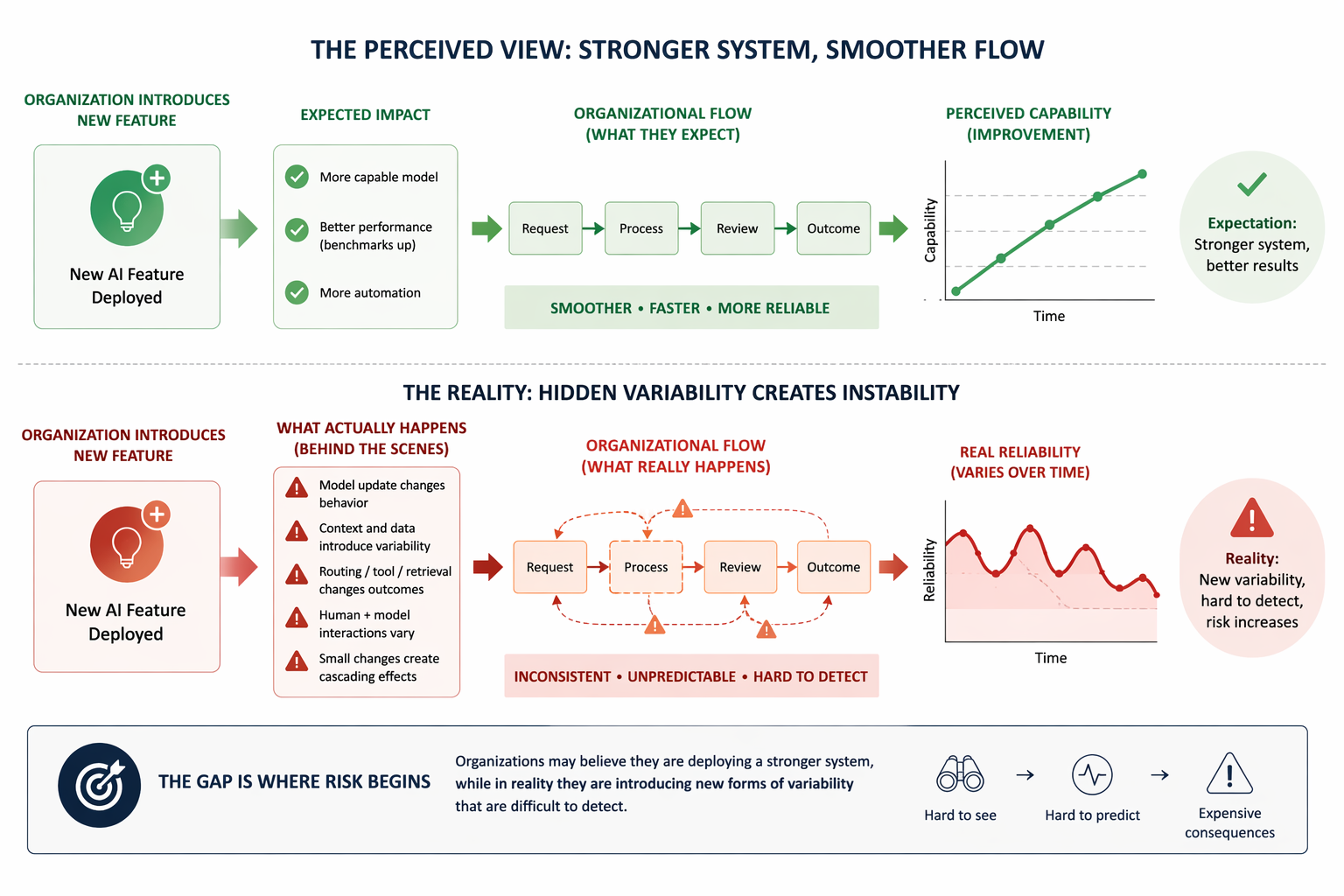
Visual 1 Gianmarco Sirei

[The Perceived View: Stronger system, Smoother Flow]

The Limits of Measurement

Benchmarks have played a central role in tracking AI progress, but they are not a complete representation of reality.

They are designed to measure specific tasks under controlled conditions. Over time, they can become less representative of real-world complexity. In some cases, they may even give an overly optimistic picture of performance.

For project environments, this creates a practical challenge. Success cannot be defined only by benchmark scores. It must be defined by how systems behave in production, under real constraints and evolving conditions.
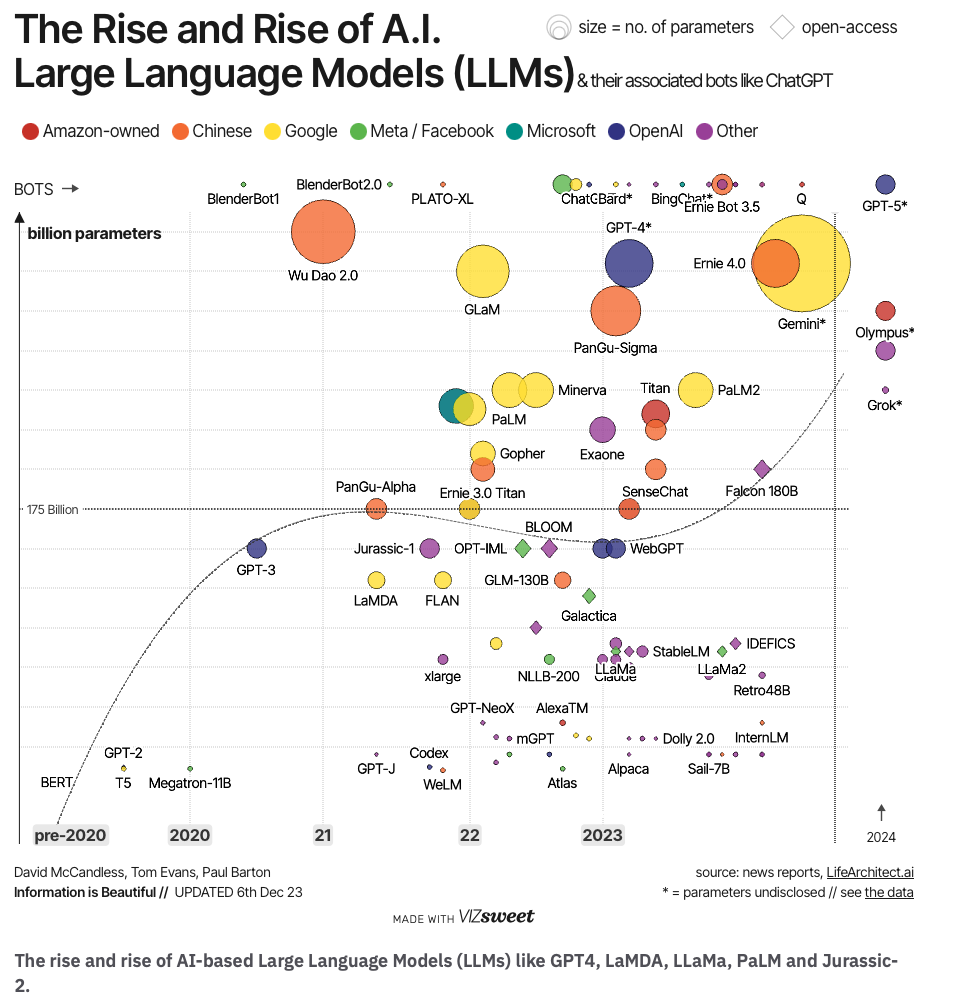
Visual 2 Gianmarco Sirei
[The Rise and Rise of A.I.]

Human Oversight Is Not Disappearing

There is a common assumption that AI will gradually eliminate the need for human review. In practice, the opposite is happening.

As systems become more capable, they are also used in more complex and high-impact contexts. In these situations, the cost of error increases, and so does the need for oversight.

Simple and repetitive tasks can often be automated effectively. But as complexity grows, human involvement becomes essential not only to validate outputs, but to interpret them, challenge them, and take responsibility for decisions.

This is particularly important because AI systems often fail in subtle ways, they can produce answers that are coherent and confident, even when they are incorrect. Without structured review, these errors can pass unnoticed.

When Systems Drift and Software Degrades

Another dimension of the problem lies in how systems evolve over time.

AI systems are not static. They change with updates, new data, and shifting contexts. This can introduce what is often called drift: a gradual change in behaviour that is not always visible but can affect outcomes.

At the same time, the software surrounding AI systems follows its own lifecycle. It rarely breaks suddenly. Instead, it deteriorates slowly.

This deterioration occurs when alignment is lost between what the system was designed to be, what is documented, and what is actually implemented. Documentation becomes outdated, knowledge becomes fragmented, and short-term decisions accumulate into long-term complexity.

In this environment, even well-performing models can be embedded in systems that are increasingly fragile.

The introduction of AI-generated code adds another layer to this dynamic. While it can accelerate development, it does not guarantee consistency or maintainability. Without clear structure, it can amplify existing weaknesses rather than resolve them.
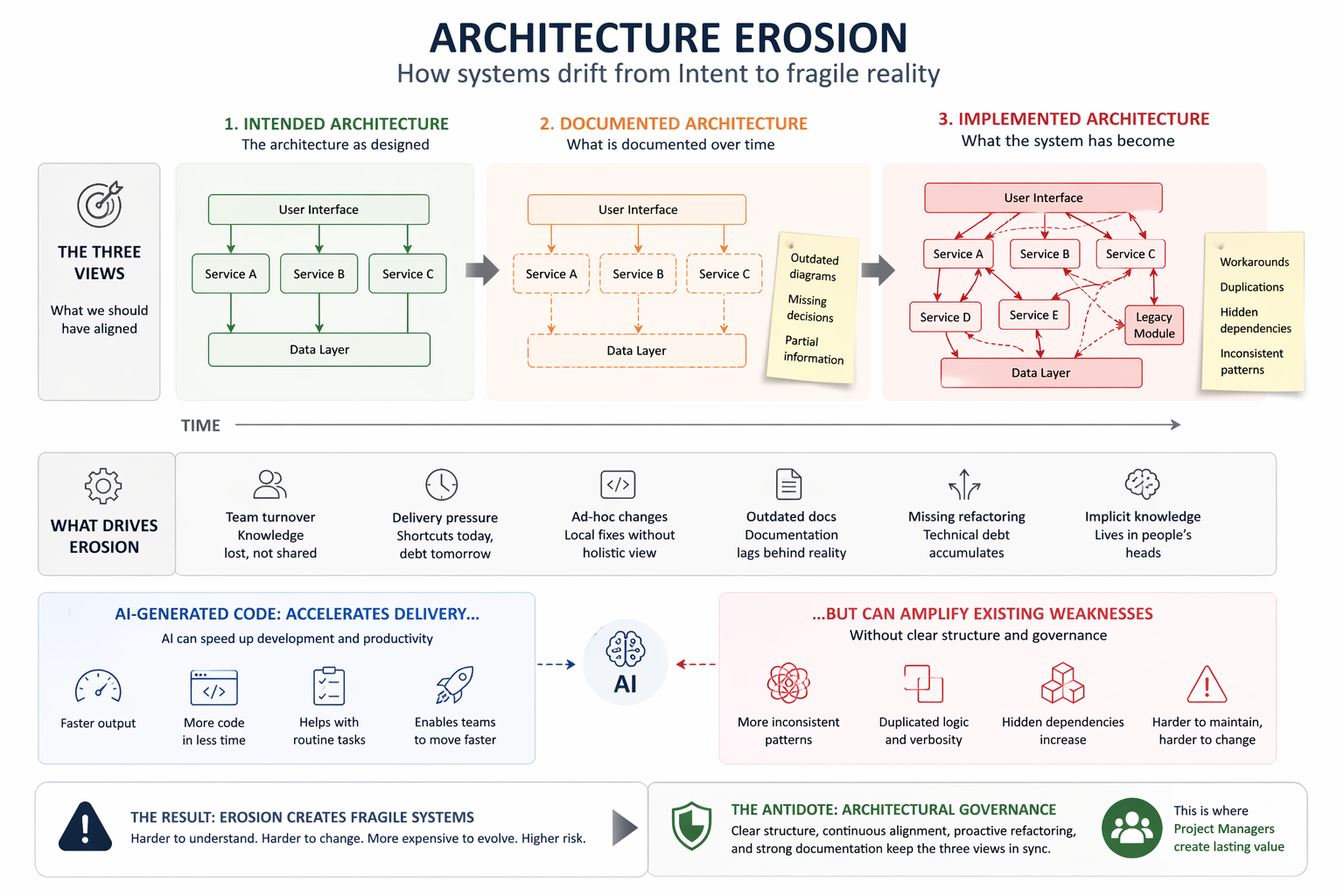
Visual 3 Gianmarco Sirei
[Architecture Erosion]

The Governance Challenge

All of these elements point to a single conclusion.

The main challenge of AI is not capability. It is governance.

AI systems operate across multiple layers: business objectives, technical components, human decisions, and regulatory constraints. Without coordination, these layers can easily become misaligned.

Organizations often respond in one of two ways. Some slow down adoption because they perceive AI as too unpredictable. Others move too quickly and only later realize that risks, inconsistencies, and technical debt have been accumulating.

Both outcomes are costly.

The Role of the Project Manager

This is where project managers play a critical role.

Their value lies in connecting elements that would otherwise remain disconnected. They translate business goals into operational criteria. They ensure that technical systems are aligned with real needs. They define how and when human oversight is required. They maintain visibility over risks, changes, and dependencies.

In the context of AI, project management is less about controlling tasks and more about orchestrating a system that is constantly evolving.

A well-managed AI initiative does not rely on the assumption that the system will behave correctly. It is designed to detect when it does not, and to respond accordingly.

Building a Practical Approach

Effective governance does not require complex frameworks from the start. It begins with clarity and discipline.

Organizations need to understand the nature of each AI use case, recognizing that not all problems carry the same level of risk. They need to define, in advance, what acceptable performance looks like and when intervention is required. They need to design human oversight deliberately, rather than treating it as an afterthought.

Equally important is the definition of ownership. Decisions about value, risk, technical implementation, and compliance must be clearly assigned. Without this clarity, both technical and organizational drift become inevitable.
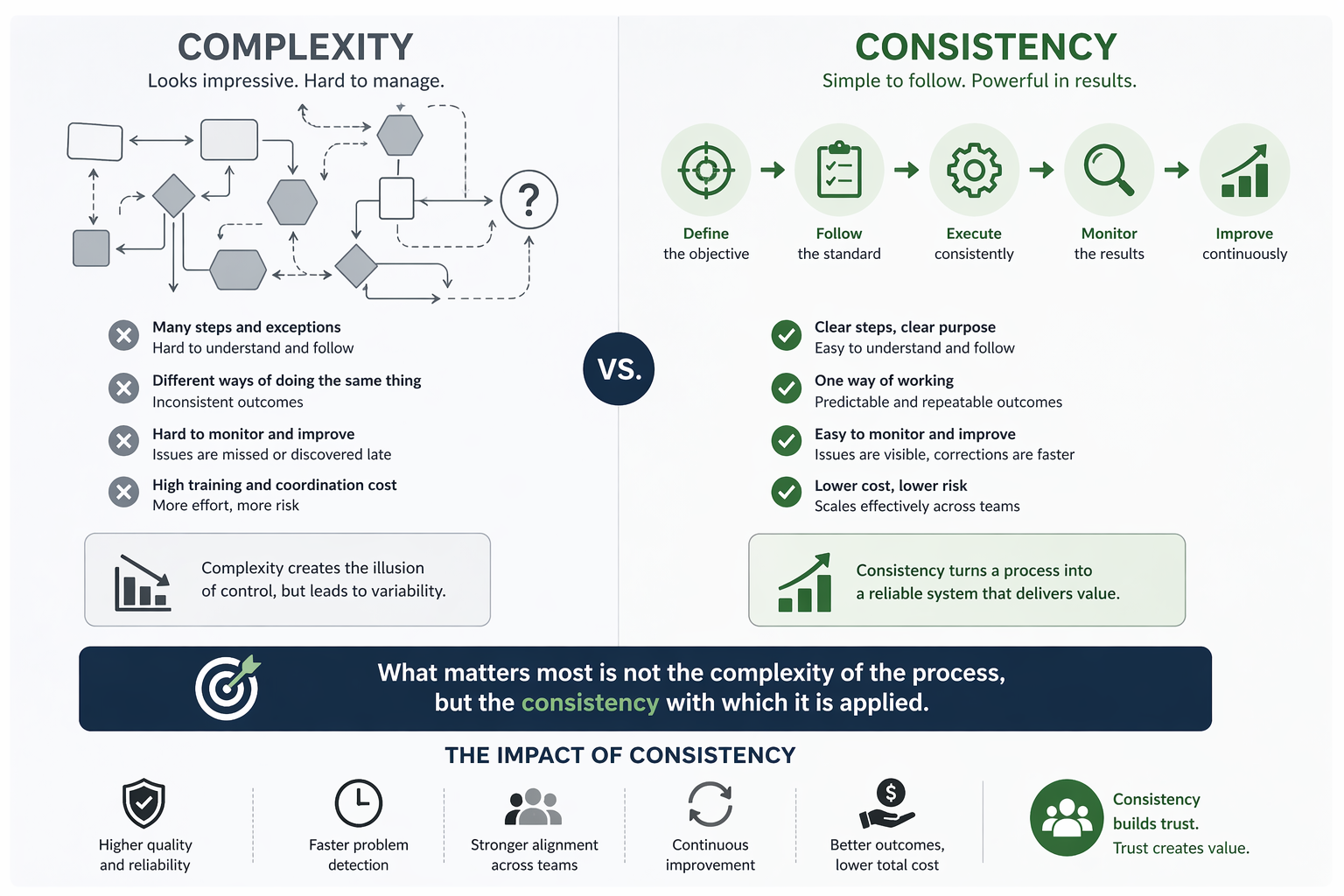
Visual 4 Gianmarco Sirei

[AI Governance Workflow]

Conclusion

The question of whether AI is improving or deteriorating does not lead to useful decisions.

The more relevant insight is that AI models are improving rapidly, while AI systems remain dynamic, context-dependent, and difficult to control. They can drift, they can be misinterpreted, and they can become embedded in software that slowly loses its coherence.

In this context, project management is not an optional layer. It is a necessary condition for turning technical capability into reliable and scalable outcomes.

AI does not reduce the need for structure. It increases the cost of operating without it.

As organizations move forward, the real differentiator will not be who has access to AI, but who is able to manage it effectively.

Closing Reflection

As AI becomes part of everyday operations, each organization faces the same set of questions.

How much of your AI-driven work can truly be trusted without review?

Do you know when a system has changed enough to require re-evaluation?

Are you measuring success only in terms of performance, or also in terms of stability, risk, and long-term sustainability?

The answers to these questions will define not only how AI is used, but how much value it ultimately creates.
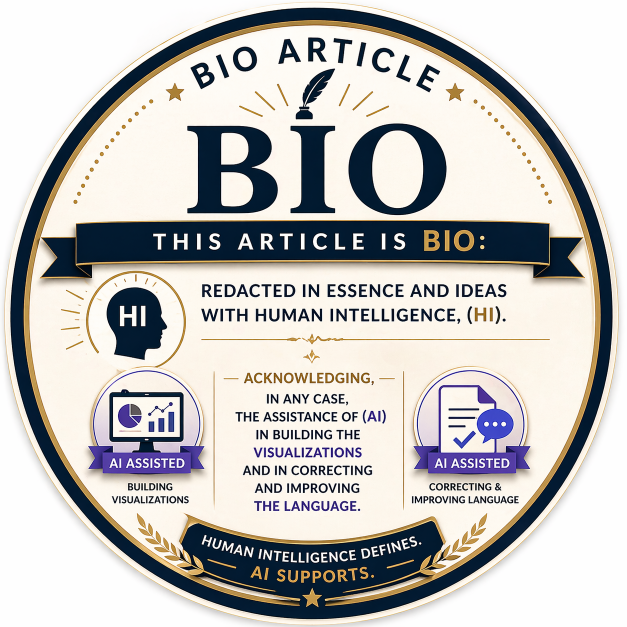
Visual 5 reduced Gianmarco Sirei
[BIO Article]


PMI Switzerland – 2026 Chapter Outlook

author

Author: Mafalda Amaro

Celebrating 25 Years of Community, Growth, and Impact

This year PMI Switzerland reaches an important milestone—our 25th anniversary.


For 25 years, our chapter has been shaped by a strong community of professionals, volunteers, and partners who believe in the value of project management to drive progress. This anniversary clebration was an event to remember for many years to come. Thank you for all that have joined us in Biel to celebrate what has been built, but also to look ahead and continue strengthening our impact in our community.


Our Focus for 2026

In 2026, PMI Switzerland will focus on a set of strategic priorities that support our continued growth, relevance, and contribution to the profession:


  • Member & Volunteer Engagement

We will strengthen the experience of our members and volunteers by improving onboarding, increasing engagement opportunities, and offering events across Switzerland with new locations such as Lucerne, Bern and others.

  • Conference 2026

We will deliver our flagship conference, this year showcasing some of the greatest industries, projects, innovations and excellence in project management.

  • Partnerships

We will enhance PMI Switzerland’s visibility by building and expanding partnerships

with corporate, academic, and non-profit organisations.

  • Talent Acquisition & Academia Outreach

We will continue to engage young professionals and want to expand our collaboration

with universities to support the next generation of project leaders.

  • Women in Project Management

We will further advance initiatives that support women in leadership and professional

growth within project management.

  • Social Impact

We will strengthen our role in applying project management to create positive social

impact, contributing to sustainable development and community resilience.


Recognising Our Volunteers and Leaders

The strength of PMI Switzerland lies in its people.

We would like to sincerely thank our volunteers and board members for their ongoing commitment, professionalism, and dedication. Their contributions—across events, partnerships, operations, and community building—are essential to the success of our chapter.

As we celebrate this milestone, we recognise that this milestone has only been possible thanks to the collective efforts of those who have contributed over time. 


Looking Ahead

2026 represents both continuity and ambition.

We will continue to build on the strong foundation of our chapter while focusing on delivering value to our members, strengthening our partnerships, and expanding our impact across Switzerland.


We invite you to be part of this journey—whether by engaging actively as a member, contributing as a volunteer, or joining our PMI Switzerland events for the first time.

Together, we will continue to grow our community and advance the profession.


Mafalda Amaro
President, PMI Switzerland

PMI Switzerland Mentoring Program 2026 – Ready, Set, Go

author

Author: Maria Anghileri, PMP

PMI Switzerland Mentoring Program 2026 – Ready, Set, Go

Ready, set, go — the Mentoring Program 2026 has officially started. Following the closure of the application phase and a dedicated matching process, our mentoring pairs are now ready to embark on their journey from April to December.

A sincere thank you to everyone who applied and dedicated time and thought to the process — your commitment is what makes this initiative possible.

Each year, we see a remarkable diversity of profiles, experiences, and industries, all connected by a shared interest in project management. This diversity remains a key strength of the program, enabling richer discussions and broader perspectives.

To all mentoring pairs, we wish you a constructive and rewarding journey ahead. Mentoring is not only about sharing knowledge, but also about learning through dialogue, reflection, and different viewpoints. The value of the experience builds over time, through consistency, openness, and active participation.

We trust that this program will provide meaningful insights and support both personal and professional development throughout the months ahead.

For those who were not able to participate this year, or who are interested in future editions, to learn more, please contact the mentoring team at This email address is being protected from spambots. You need JavaScript enabled to view it.

PMXPO 2026: Is It Worth Your Time?

author

Author: Mirjam Nufer PMP, DASM

PMXPO 2026: Is It Worth Your Time?

Picture1 Mirjam Nufer

On March 26, PMI hosted its annual PMXPO, one of the largest virtual events for project professionals, attracting over 100,000 registrations.The event is free and offers expert insights, case studies, practical tools, and PDUs at no cost.

I joined this year with a simple question in mind: Is PMXPO worth my time?

Three Key Highlights

1. Thoughtful Event Setup
Registered participants gain access to the platform one day in advance, allowing time to build a profile, explore sessions, and create a personalized agenda. During the event, you can explore multiple session formats, the exhibit hall, and networking features. Luckily, most content remains available afterward on demand, offering flexibility for busy professionals.

On-demand access to the platform for latecomers:
https://www.pmi.org/shop/p-/digital-product/pmxpo-2026/ve008

2. Focused and Relevant
The program is structured across keynote speakers, breakout sessions, bonus sessions, and sponsored content.

This year’s keynotes centered on complexity. As our world becomes increasingly complex and unpredictable, the general sessions explored what this means for project managers and the profession. Key questions included:

  • What drives complexity?
  • How do we navigate growing complexity?
  • Which skills are essential to remain relevant?

Breakout and bonus sessions complemented the keynotes with concrete case studies, expert insights, and actionable tools.

Picture2 Mirjam Nufer

3. Interview with Chief Catalyst from Bayer
The keynote session “2026: Pulse of the Profession” with PMI’s CEO Pierre Le Manh featured PMI’s latest research and vision, as well as an interview with Michael Lurie, Chief Catalyst at Bayer (at minute 34:35). Michael shares his insights on Bayer’s major organizational transformation from a hierarchical model to what they call Dynamic Shared Ownership. A very valuable interview to listen to!

The Exhibit Hall: A Gateway to PMI Resources

The virtual exhibit hall primarily features PMI-curated booths covering basic topics and emerging trends. Each booth aggregates resources such as blogs, podcasts, and certification information.

It serves as an easy, user-friendly entry point into PMI’s broader ecosystem—particularly useful for newcomers seeking orientation or for those looking for specific content.

Picture3 Mirjam Nufer

Final Takeaway

PMXPO is a valuable event for staying current, gaining fresh perspectives, and finding inspiration in the diverse field of project management. While not perfect (particularly in terms of networking feature performance), it is a low-cost, low-barrier opportunity for professional growth.

Who Should Attend?

  • Early-career professionals looking to understand the expectations and opportunities within project management
  • Experienced practitioners exploring their next move
  • Professionals who prefer virtual to in-person events
  • Certification holders looking for PDUs ;)